Brand Story
SHIBUI begins where most brands end — at the moment after purchase. What happens between you and a kakishibu-dyed piece over months and years is the real product. The dye deepens. The cotton softens. The relationship becomes irreplaceable.
Discover the Philosophy渋い
shibui
In Japanese aesthetics, shibui describes a beauty that is quiet, deep, and earned through time — the opposite of flashy, the antithesis of disposable. It is the taste that accumulates, not the one that impresses on first sight.
A thousand years of practice
10th century
Kakishibu first used to waterproof washi paper and strengthen the sails of temple roofs across Japan.
Edo period
The dyeing tradition reaches its height — artisans apply fermented persimmon tannin to cotton, paper fans and fishing nets.
Minami-Yamashiro
Kyoto Prefecture becomes the heartland of kakishibu production. The terroir — soil, water, persimmon variety — is unreplicable.
Today
SHIBUI carries this lineage forward — sourcing kakishibu exclusively from Kyoto, hand-dyeing in Kyoto, shipping worldwide.
Where it comes from
SHIBUI draws a clear line between the source of its raw material and the places where that material becomes something wearable. Understanding both is part of knowing what you hold in your hands.
Kakishibu Origin
Minami-Yamashiro, Kyoto Prefecture
The persimmon tannin used in every SHIBUI piece is sourced entirely from Minami-Yamashiro — the southernmost region of Kyoto, where cool mountain streams and iron-rich soil produce the specific astringency that defines our dye. No other region produces kakishibu with the same depth of colour or preservative power.
Material traceability
"The kakishibu and iron mordant in every SHIBUI piece come from Japan. This is not a marketing claim — it is a constraint we have chosen because we believe Japanese soil, water, and climate are intrinsic to what kakishibu is."
Base garments — Vietnam · Cambodia · India
Every piece is hand-dyed entirely in Kyoto, using kakishibu liquid sourced from Minami-Yamashiro. The base garments are made in Vietnam, Cambodia and India, then sent to Kyoto to be dyed by hand — each step given to specialists who make the whole greater than its parts.
Kyoto
Kakishibu sourcing & hand-dyeing
Raw persimmon tannin is received from Minami-Yamashiro, fermented and prepared for application. Every dyeing pass — the entire process — is conducted here in Kyoto.
Vietnam · Cambodia · India
Base garments
The T-Shirt, Long-Sleeve and Oxford are made in Vietnam, the Stand Collar (hemp) in Cambodia and the Tote in India, before they travel to Kyoto for dyeing.
What this means for you
Every SHIBUI piece starts as a base garment made in Vietnam, Cambodia or India and is dyed by hand in Kyoto. When you buy SHIBUI, you support the continued practice of Japanese kakishibu dyeing — not a single factory.
THE PROCESS
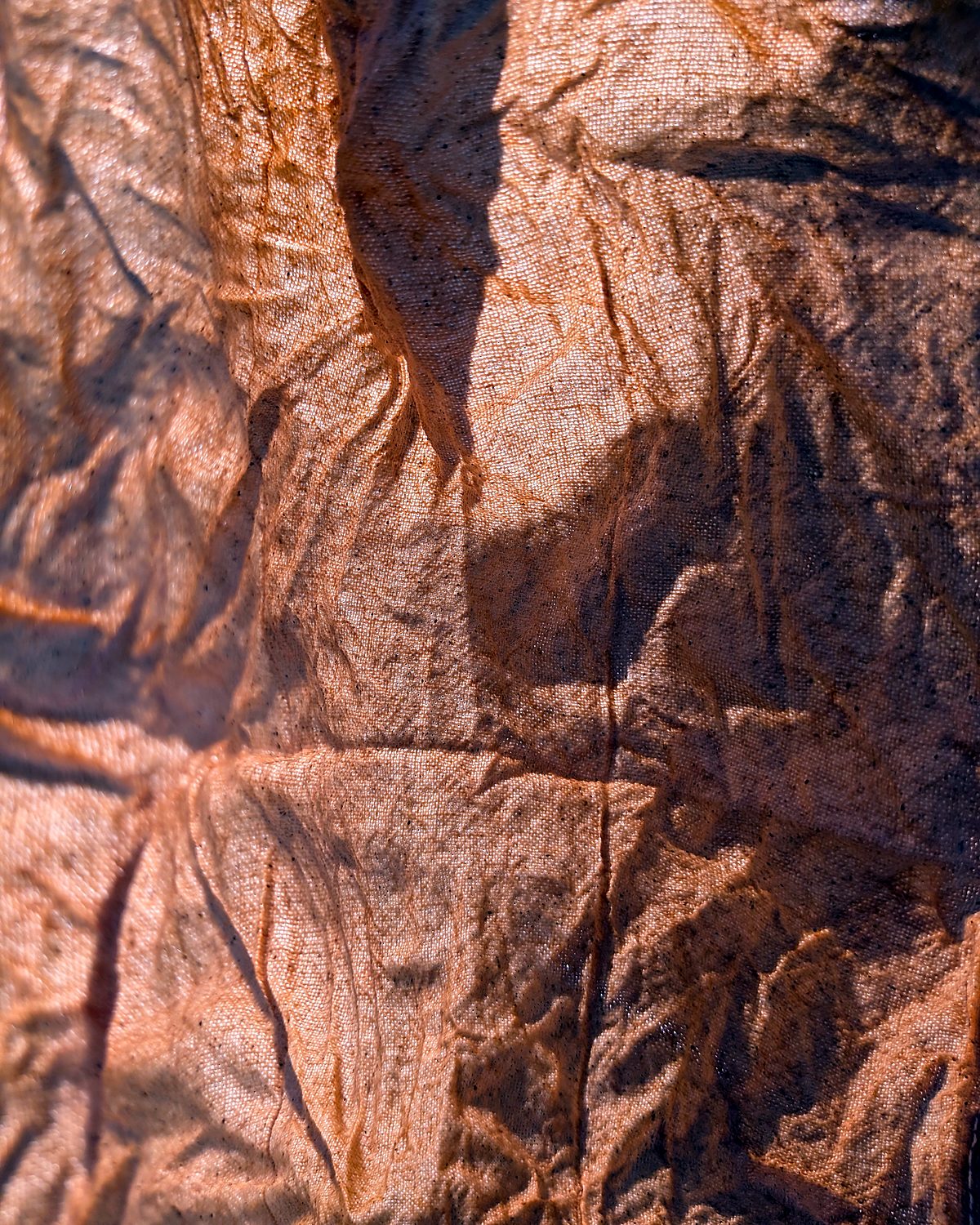
Base garments are made in Vietnam, Cambodia and India. In Kyoto they are hand-dyed with kakishibu, then dried in the sun until the colour deepens.

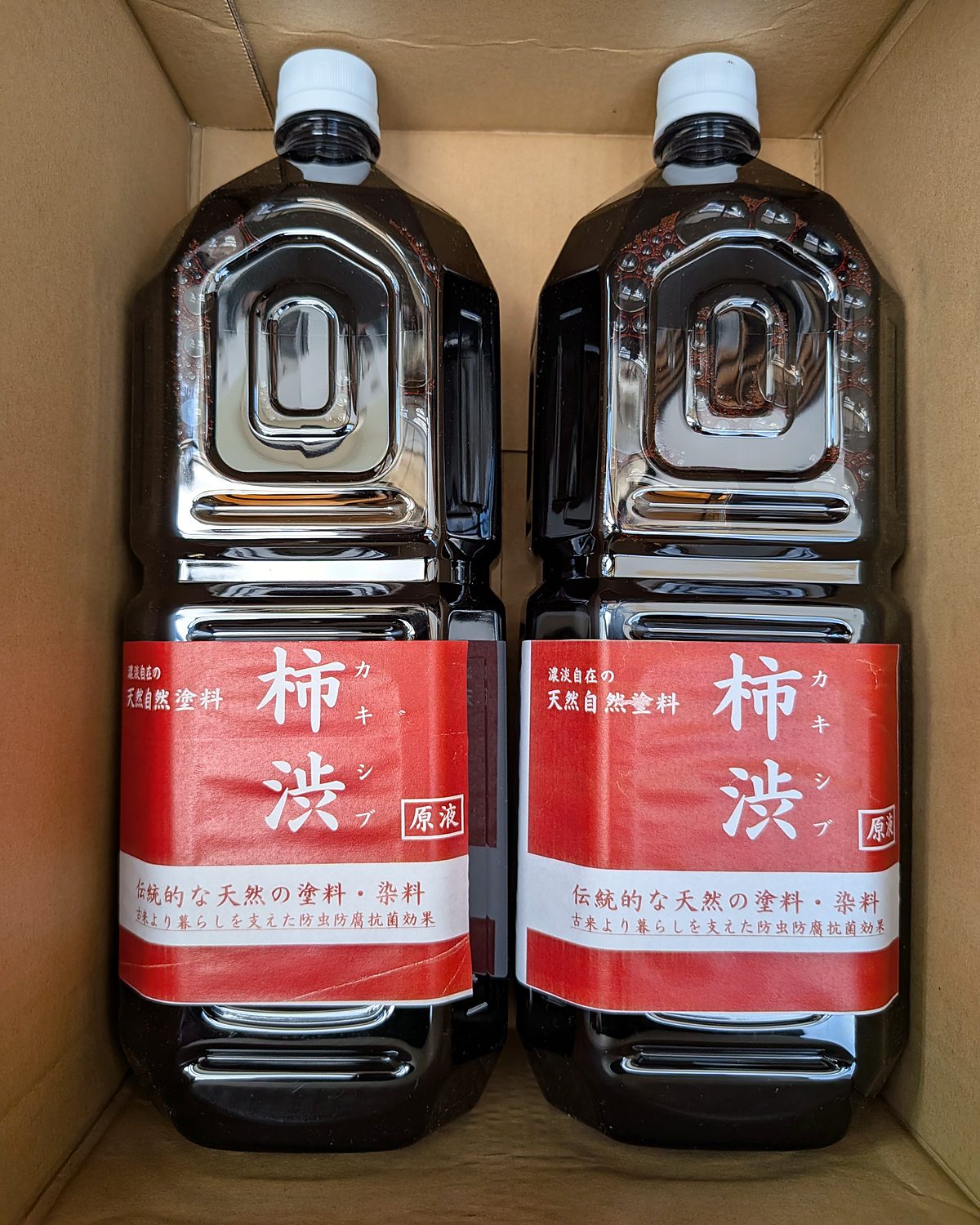
Fermented persimmon juice, the only dye we use.

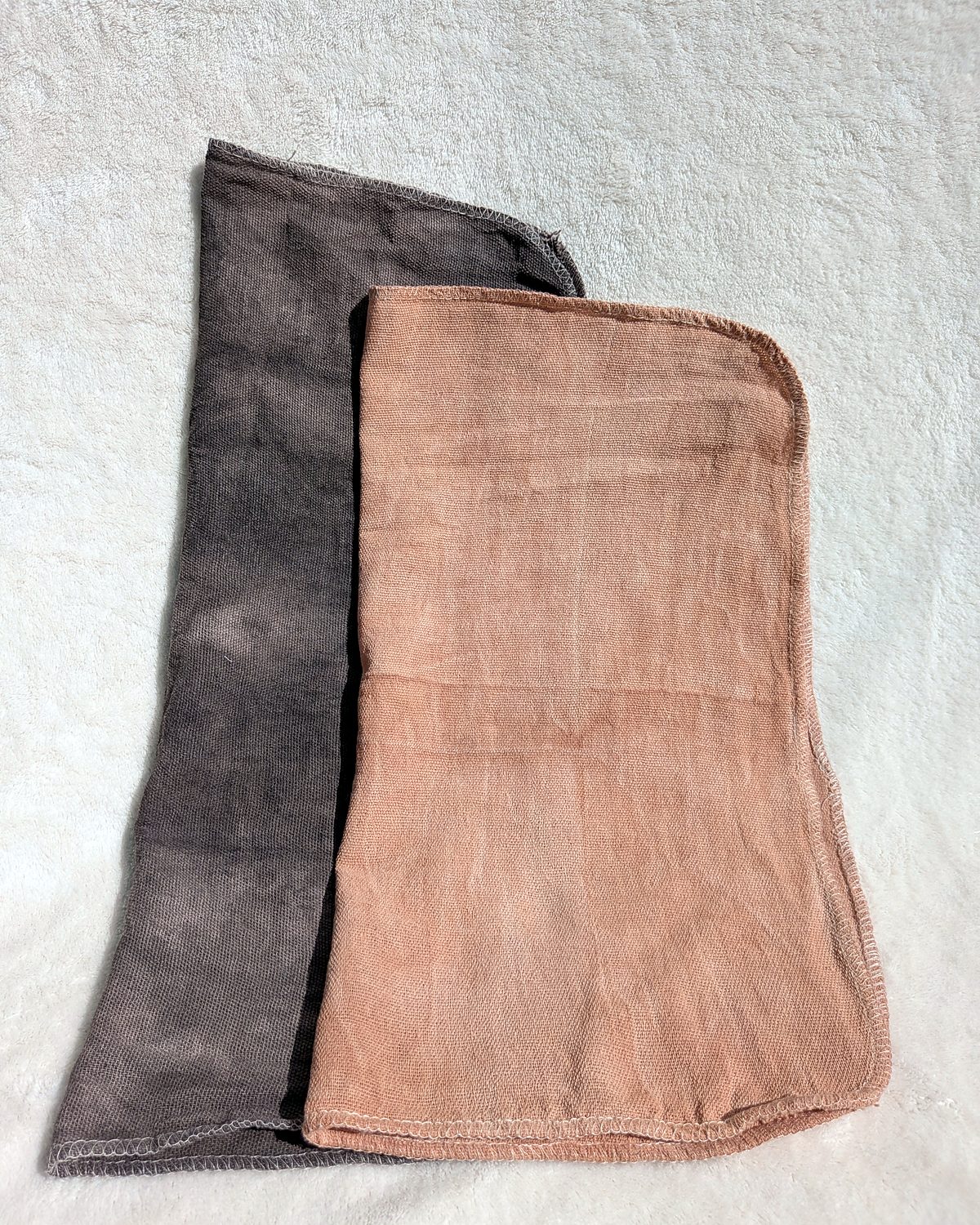
Cloth is soaked and worked by hand, so no two pieces match.

Sunlight oxidises the tannins and the colour deepens over time.

Each piece is finished, checked and sent from Japan.
The SHIBUI Philosophy
Most goods are designed to be sold. SHIBUI is designed to be lived with. The philosophy rests on five convictions — each a rejection of the disposable, each an investment in the slow accumulation of meaning.
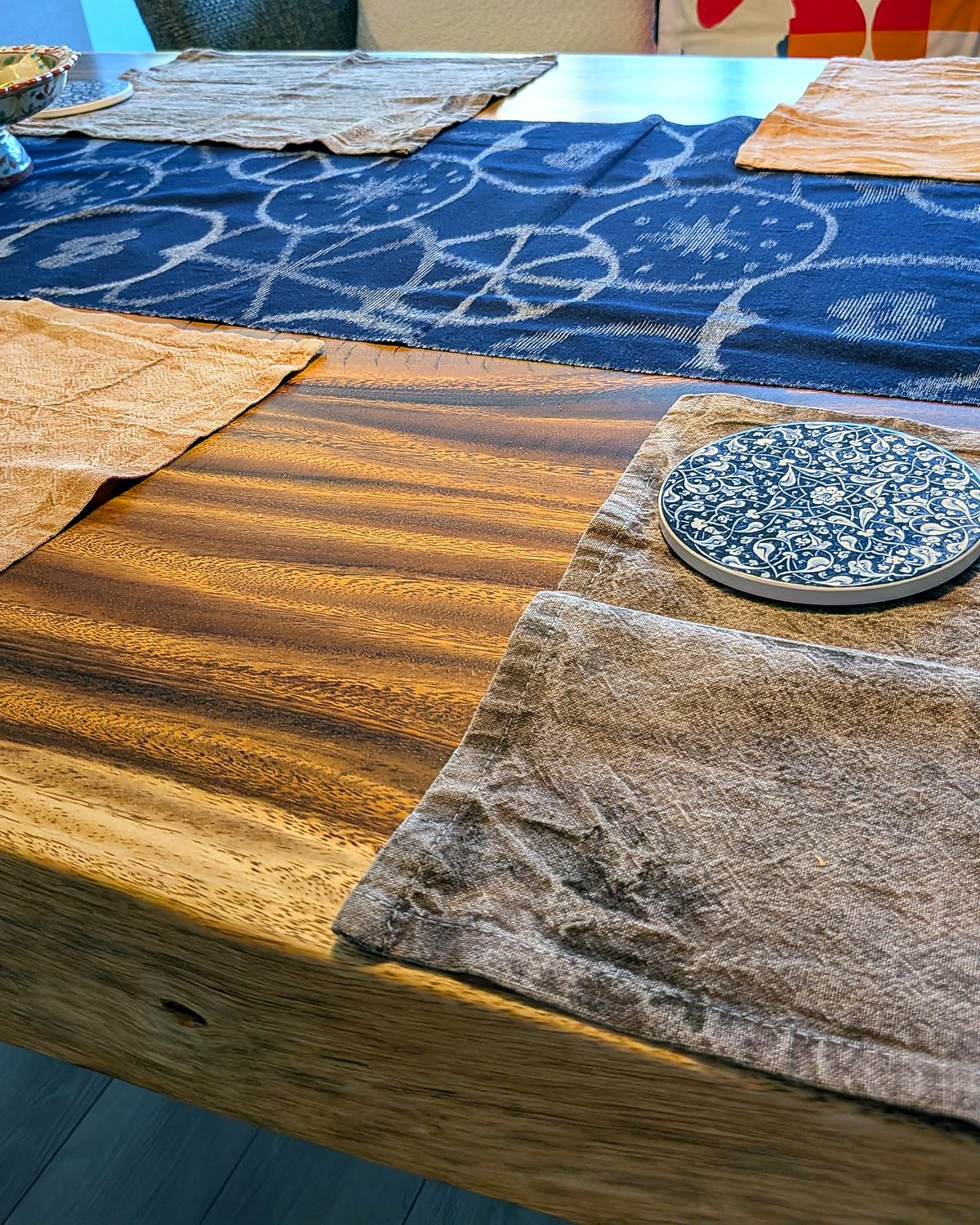
Kakishibu is a living dye. Exposed to UV light, air and time, it deepens in colour — the more you wear it, the more it becomes yours. A SHIBUI piece at year five looks different from year one, and better. You are not the owner of a finished object; you are the co-author of something still becoming.
The technique of kakishibu dyeing has not changed in a thousand years because it does not need to. The knowledge is held in hands, in the ratio of tannin to water, in the judgement of when a layer has dried enough to receive the next. Machinery cannot replicate this. Nor would we want it to. SHIBUI goods are the product of inherited knowledge applied with contemporary intention.
Owning a SHIBUI piece invites you into a set of practices — how you wash it, where you dry it, how you store it. These are not inconveniences; they are the interface. The care rituals are part of the product. What you do with the object determines what the object becomes. This is philosophy as UX.
Every element of the dye is chosen for what it adds to the wearer and withholds from the planet. Undyed base garments made in Vietnam, Cambodia and India. Fermented persimmon tannin, a plant dye used in Japan for centuries. Iron mordant, nothing synthetic. Biodegradable at end of life. Organic is not a label we apply — it is a constraint we design within.
The conventional model of value is: you pay, you receive, transaction closed. SHIBUI proposes a different model: value accrues over time as the relationship between person and object deepens. The piece becomes more valuable to you the longer you live with it — not because of market price, but because it has absorbed your history. This is our version of luxury.
Shibui (渋い) is a Japanese aesthetic concept describing quiet, understated beauty — the kind that reveals itself gradually rather than announcing itself immediately. It is the beauty of a worn stone step, a well-read book, a friendship of twenty years. It is the aesthetic we aspire to in every piece we make.
The new shibui
We live inside interfaces. Every day, the way we navigate the world — apps, feeds, screens — is shaped by UI: User Interface. SHIBUI proposes a different kind of UI. Not the one you swipe. The one you wear, wash, age with.
The relationship
Digital UI is optimised to extract your time. SHIBUI is optimised to give time back — through material that is worth maintaining, aesthetics that deepen rather than fatigue, and a relationship with an object that grows in meaning precisely because it changes.
The update model
Organic as architecture
Organic is not a feature of SHIBUI. It is the foundation. We did not retrofit sustainability into an existing product; we designed from within the constraint of organic materials from the beginning.
Kakishibu
Fermented persimmon juice — 100% from Minami-Yamashiro, Kyoto. No solvents, no fixatives, no synthetic amplifiers. The dye is the plant itself, concentrated by time.
Base Garments
Undyed base garments made in Vietnam, Cambodia and India. Chosen for their fibre density and absorbency, which determines how deeply the kakishibu penetrates and holds.
Iron Mordant
Used exclusively for our iron-black pieces. Iron sulfate — a naturally occurring mineral salt — reacts with the persimmon tannin to produce the deep charcoal tones. No synthetic dye is involved.
End of Life
A SHIBUI piece, when it has lived its full life, returns to the earth without harm. No microplastics. No synthetic fibre. Nothing that outlasts its welcome. This is the full circle.
A note on certification
We are in the process of obtaining formal organic certification for our supply chain. In the interim, we hold ourselves to the standard of full ingredient transparency. Every material we use is named, sourced and traceable. We will publish our full supply chain map on this page when certification is complete.
We make goods. But what we are really offering is a different kind of relationship with material culture — one based on depth, continuity, and the quiet pleasure of watching something become more itself over time. That is the SHIBUI proposition.